
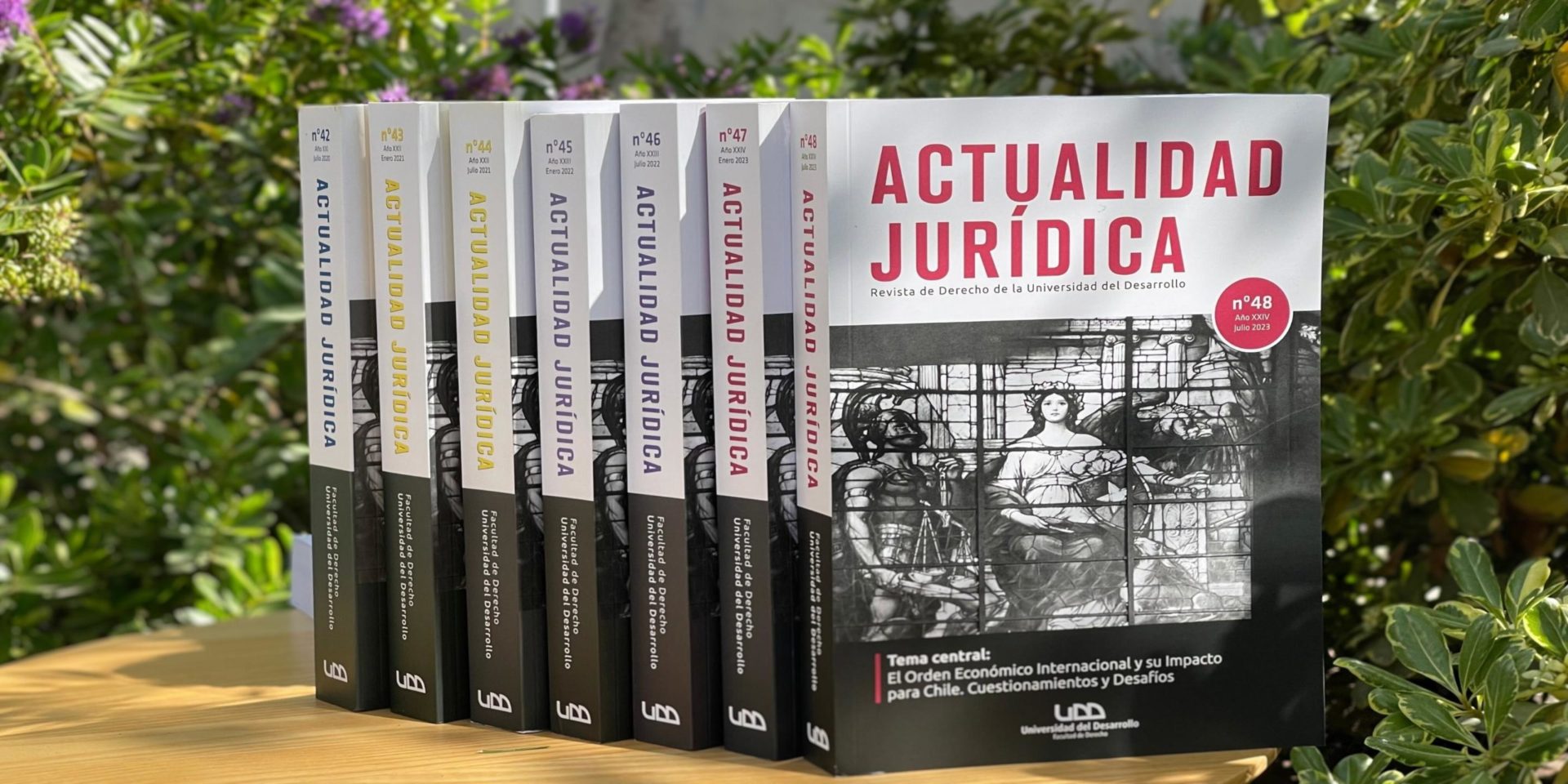
Repensar la prueba ilícita
Resumen
El trabajo aborda la prueba ilícita en el proceso penal chileno desde una tesis central: excluir, no utilizar o no valorar evidencia obtenida con vulneración de derechos fundamentales es una exigencia constitucional, no solo una sanción legal. Bajo ese marco, el art. 276 del CPP se entiende como concreción relevante, pero no exhaustiva, del control de licitud, que también puede extenderse a ilicitudes sobrevinientes y debatirse más allá de la etapa intermedia. Se separa la irregularidad meramente ritual del quebrantamiento con entidad suficiente para afectar un procedimiento e investigación racionales y justos, y se discute el lugar (y los riesgos) de la proporcionalidad en la jurisprudencia. Finalmente, se ordenan causales dependientes e independientes y se aplican a casos frecuentes: documentos y sentencias que sustituyen declaraciones, por su efecto sobre oralidad, contradicción e imparcialidad.
Abstract
This article examines unlawfully obtained evidence in Chilean criminal proceedings from a central thesis: excluding, refraining from using, or declining to assess evidence obtained through the violation of fundamental rights is a constitutional requirement, not merely a statutory sanction. On that premise, Article 276 of the CPP is understood as a significant –though not exhaustive- expression of legality control, which may also extend to supervening unlawfulness and be litigated beyond the intermediate stage. The study distinguishes purely formal or ritual irregularities from infringements of sufficient gravity to compromise the rational and fair character of the investigation and proceedings, and it discusses the place –and risks– of proportionality in the case law. Finally, it systematizes dependent and independent grounds for exclusion and applies them to recurrent scenarios, such as documents and judgments that substitute for testimonial evidence, given their impact on orality, adversarial testing, and impartiality.