
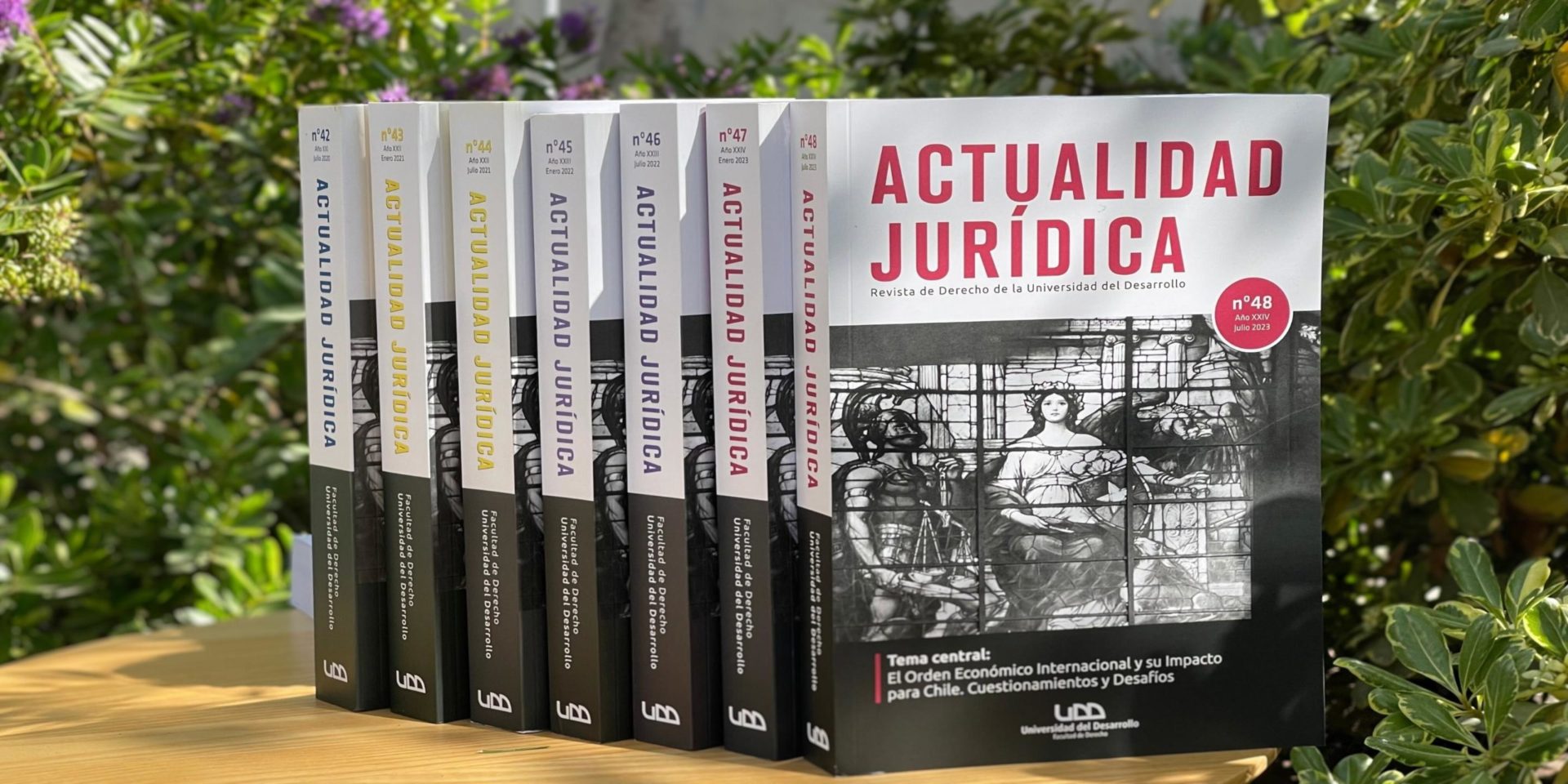
Proteger la propiedad: las herramientas del derecho francés
Resumen
El derecho francés ofrece una amplia gama de instrumentos destinados a proteger el derecho de propiedad. Más allá de la protección constitucional y convencional, y al margen de los mecanismos del derecho penal y administrativo, el derecho privado presenta una variedad de herramientas específicas. El trabajo distingue, por una parte, los instrumentos periféricos de protección –aplicables tanto a los bienes incorporales como a los corporales, e incluyendo la responsabilidad civil, y el contrato– y, por otra parte, la acción reivindicatoria, mecanismo por excelencia para proteger la propiedad. Se analizan las dificultades prácticas de la reivindicación tanto de bienes muebles, limitada por la regla del art. 2276 del Código Civil, como de los inmuebles, donde la prueba de la propiedad se construye sobre indicios. Se destaca el papel central del juez de référés en la protección efectiva de la propiedad.
Abstract
French law offers a wide range of instruments to protect property rights. Beyond constitutional and conventional protection, and apart from the mechanisms of criminal and administrative law, private law presents a variety of specific tools. This article distinguishes, on the one hand, the peripheral protection instruments –applicable to both incorporeal and corporeal goods, including civil liability and contract law– and, on the other hand, the revindication action, the primary mechanism for property protection. It examines the practical difficulties of revindication for movable goods, limited by the rule of article 2276 of the Civil Code, and for immovable goods, where proof of ownership relies on indicia. It highlights the central role of the judge of référés in the effective protection of property.